
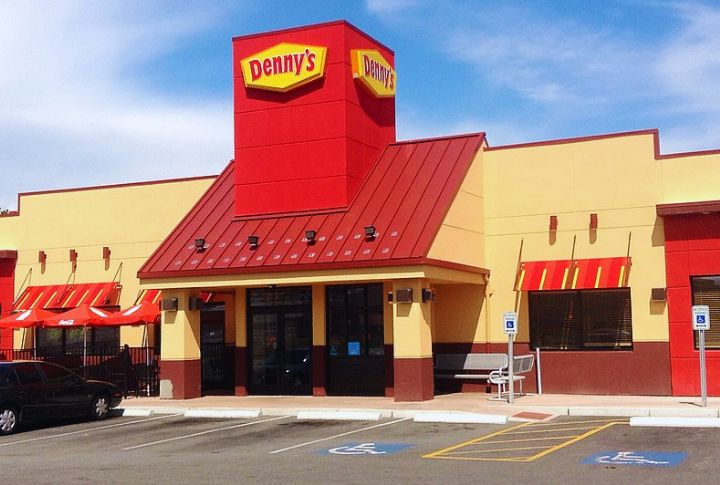
You might have pulled into a Denny’s parking lot at 2 a.m., lured by the glow of neon and the promise of pancakes when nothing else was open. Now imagine visiting the same spot and finding a “Closed” sign—an unsettling shift for a place once as reliable as morning coffee. Stick around, because what’s happening to Denny’s speaks volumes about how dining habits and business math have changed over decades.
A Chain Changing Hands And Losing Tables
The storied diner chain known for Grand Slams and 24-hour breakfasts is undergoing a dramatic overhaul. On November 3, 2025, Denny’s—nearly 72 years old since its start in Lakewood, California as “Danny’s Donuts”—accepted a buyout offer. Private equity firms TriArtisan Capital Advisors, Treville Capital Group, along with major franchisee Yadav Enterprises, will take the chain private in a deal valued at $620 million, including debt.
That sale triggered swift changes. Weeks after the announcement, a Denny’s in Santa Rosa, California (one locals considered part of their late-night routine) shut its doors, leaving only a lone remaining Denny’s in the city. No broad public explanation followed, only a note redirecting regulars to a different location. Changes like this reflect more than a corporate pivot. They hint at how sweeping shifts in ownership can ripple into communities.
How Many Diners Are Disappearing
Back in late 2024, Denny’s declared a plan to shutter 150 underperforming restaurants by the close of 2025, calling out slow traffic, aging buildings, and changing habits of diners. Then, early 2025 brought updates: the company expects to fold an additional 70 to 90 locations, some because leases expired, others because they struggled to draw customers again after pandemic shifts.
The result—by some estimates—could come close to 180 fewer Denny’s restaurants across the U.S. compared to 2023. That paints a sharp contrast with the dozens of neon-lit diners that once dotted city outskirts and highway exits. This speaks to more than business losses. It signals a fading chapter of the American diner experience.
The Reality Behind The Closures
- Some of the closed-out Denny’s buildings had been around for decades—too old to remodel without major cost.
- After the pandemic, customer habits shifted; many locations never regained enough traffic to justify staying open 24/7.
- Inflation, rising food and labor costs, and competition from fast-casual chains nudged diners into financial stress, especially lower-volume outlets.
Every closed diner tells the same story: long-standing pressures that eventually made staying open impossible.
What This Means For The Denny’s Legacy
For you, it may sting if your local Denny’s vanishes overnight. For the larger diner scene, these closures mark a shift from late-night pancakes to leaner, more economically conscious dining. Some of the remaining locations might get refreshed, new ones may rise in revived spots—but many of the familiar booths and neon signs will fade away.
If you remember ducking into a Denny’s during a rainstorm or grabbing an early breakfast after a long drive, take a moment to appreciate what that represented: a slice of Americana that’s quietly slipping out of view. And maybe, just maybe, find one of the still-open Denny’s near you—before the coffee goes cold for good.
