
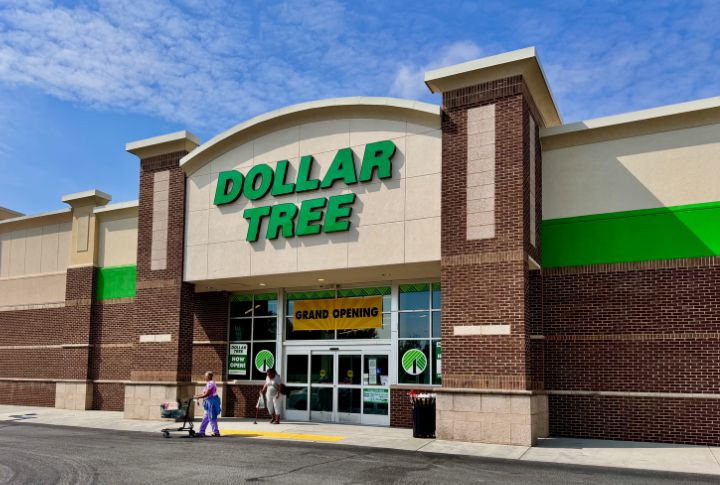
Walk into any Dollar Tree on a Wednesday afternoon, and you might spot something unexpected: a luxury SUV parked outside, a designer handbag slung over someone’s arm as they browse the aisles. The stereotype of discount stores catering exclusively to budget-strapped families is crumbling fast. Across America, six-figure earners are increasingly becoming Dollar Tree’s secret weapon, turning the retailer from a necessity stop into a strategic shopping destination.
This isn’t about wealthy people slumming it for kicks—it’s a calculated shift in how affluent consumers think about value, waste, and smart spending in an economy where even high earners feel the pinch.
The Inflation Effect Nobody Saw Coming
When inflation hit its highest levels in four decades, something fascinating happened in American shopping behavior. While lower-income households had always relied on dollar stores, affluent shoppers started questioning why they were paying premium prices for everyday items. A tube of name-brand toothpaste at a drugstore costs six dollars; Dollar Tree sells a comparable version for $1.25. Party supplies that run thirty dollars at specialty stores? Five dollars at Dollar Tree gets you streamlined decorations that do the same job.
The math became impossible to ignore. High earners, often the most financially literate consumers, ran the numbers and realized that brand loyalty on mundane purchases was costing them hundreds annually. A household making $150,000 doesn’t need to pinch pennies, but they’re also savvy enough to recognize that paying four times more for dish soap delivers zero additional value. This practical awakening coincided with Dollar Tree’s expansion into more upscale neighborhoods, making access easier than ever.
Status Signaling Takes A New Turn
There’s been a seismic shift in what signals financial intelligence among upper-middle-class Americans. A generation ago, conspicuous consumption, showing off expensive purchases, was the ultimate flex. Today’s affluent consumers, particularly millennials and Gen X professionals earning substantial incomes, increasingly pride themselves on being value-conscious.
This isn’t deprivation cosplay. High earners shopping at Dollar Tree aren’t cutting back on vacations, retirement contributions, or quality purchases that matter. Instead, they’re reallocating resources strategically. Why spend fifteen dollars on greeting cards when Dollar Tree’s cards say the same thing? That saved money funds for experiences, investments, or premium purchases in categories they actually care about. The psychology is powerful: feeling clever about saving money on throwaway items creates permission to splurge elsewhere without guilt.
The Treasure Hunt Economy
Dollar Tree has also tapped into something wealthy shoppers love: the thrill of discovery. Unlike predictable big-box retailers, Dollar Tree’s inventory constantly rotates with unexpected finds—name-brand overstock, discontinued packaging, test-market products. For six-figure earners accustomed to curated shopping experiences, Dollar Tree offers an oddly satisfying treasure hunt. Finding a premium brand item for $1.25 delivers a dopamine hit that transcends the actual savings.
The company’s recent strategic moves have reinforced this appeal. Expanding beyond the strict dollar-only model to $1.25, $3, and $5 price points allowed Dollar Tree to stock higher-quality items while maintaining its value proposition. They’ve also improved store layouts and cleanliness in locations serving wealthier demographics, removing the stigma some shoppers felt about discount retailers.
The result? Dollar Tree reported strong sales growth even as general retail struggled, with analysts noting significant traffic increases in higher-income zip codes. These aren’t shoppers forced through the doors by economic hardship. They’re choosing Dollar Tree because it makes financial sense, regardless of what’s in their bank account.
