

The golden age of cheap digital nomad living is over. Cities that once welcomed remote workers with open arms and low prices are now bleeding them dry. Your dream destination? It might just bankrupt you. We’re breaking down the nomad hotspots that went from affordable paradise to wallet-draining reality—and why you need to know before booking that one-way ticket.
Bali, Indonesia
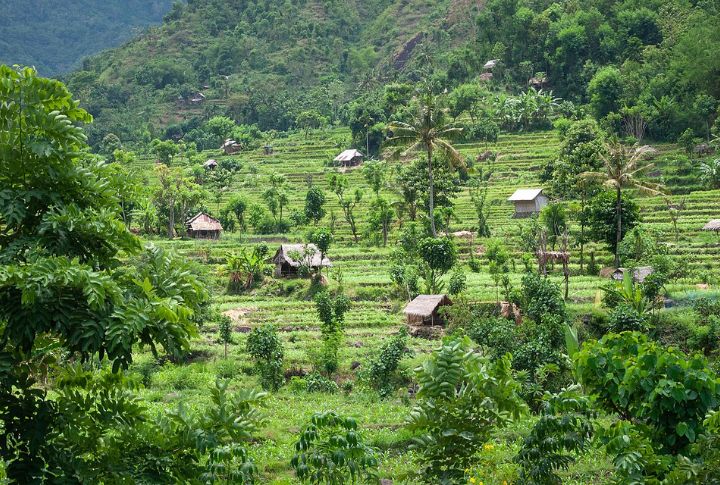
Once a dream destination for remote workers, Bali’s rising living costs in areas like Canggu and Ubud are driving digital nomads away. Despite the new one-year digital nomad visa, many find fluctuating currency rates and soaring prices too unpredictable to manage long-term.
Lisbon, Portugal
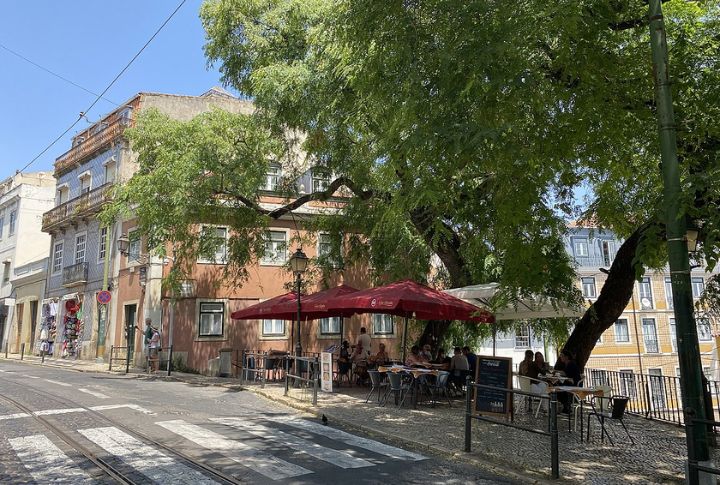
Lisbon earned a reputation for being wallet-friendly among digital workers, but the spike in housing and lifestyle costs is pushing that crowd to cheaper destinations. The influx of expats and remote workers has also transformed the city’s charm into an expensive reality that few freelancers can now sustain.
Mexico City, Mexico
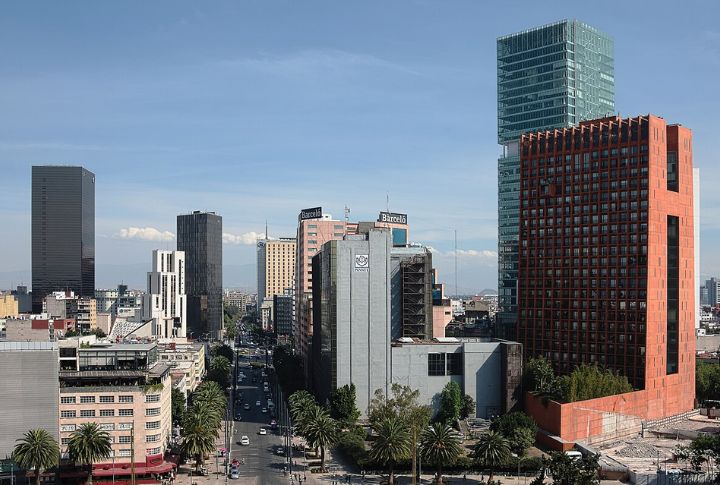
The popularity of this city among digital nomads has driven up housing and service costs, eroding its once budget-friendly appeal. As rents soar and daily expenses climb, many remote workers are packing up for smaller, more affordable Mexican towns.
Medellín, Colombia
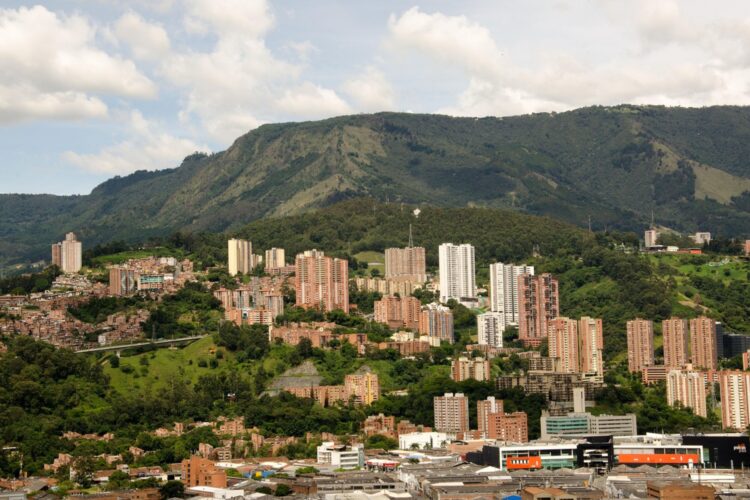
Medellin remains cheaper than many Western cities, but its affordability is slipping. Prices in trendy neighborhoods like El Poblado are climbing fast, and while the “City of Eternal Spring” still attracts nomads, budget-conscious workers are starting to move elsewhere.
Barcelona, Spain

The cost of living in this city has surged alongside its tourism boom to price out many digital nomads. A Mediterranean haven known for sun, sea, and culture is now watching remote workers leave as rent and daily costs climb beyond reach.
Bangkok, Thailand
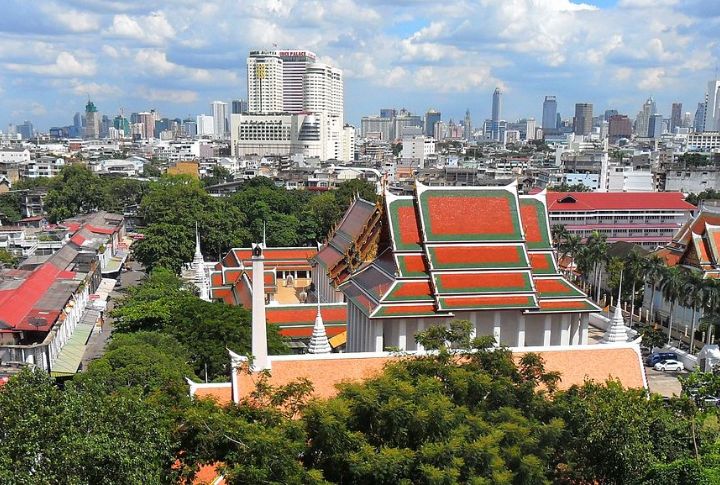
This city still offers strong infrastructure and energy, but it’s no longer the bargain it once was. Bangkok’s rising rents and living costs are pushing digital nomads to seek cheaper Thai alternatives, such as Chiang Mai, or more affordable Southeast Asian destinations.
Chiang Mai, Thailand

Chiang Mai long reigned as a digital nomad paradise for its low costs and relaxed vibe. However, rent and food prices have crept up to make long-term stays less sustainable for budget travelers chasing affordability and community.
Tulum, Mexico
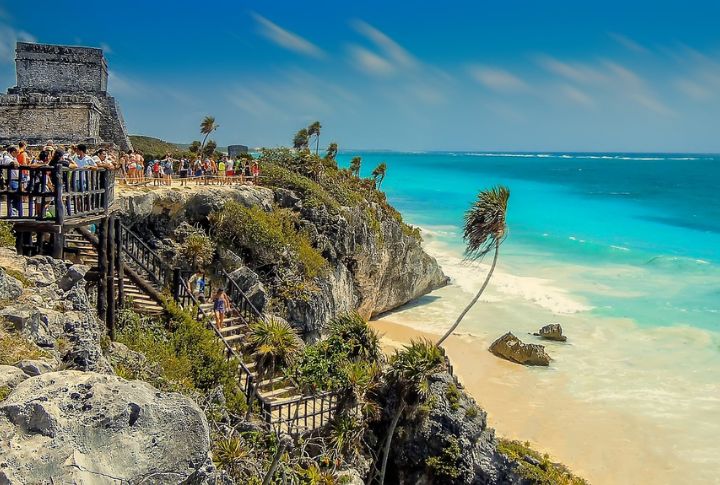
Once a laid-back beach town, Tulum is now dominated by upscale rentals and inflated prices, which forces budget-conscious remote workers to trade paradise for practicality. It started as a luxury destination that drove out many digital nomads.
Tamarindo, Costa Rica
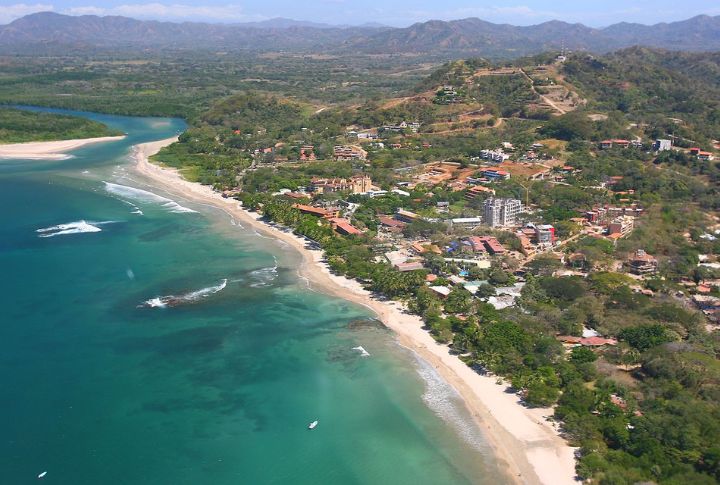
Tamarindo’s beaches and surf culture remain attractive, but popularity has driven up housing and dining costs. While still cheaper than North America, many digital nomads now find this Costa Rican town too pricey to justify long-term remote work stays.
Buenos Aires, Argentina
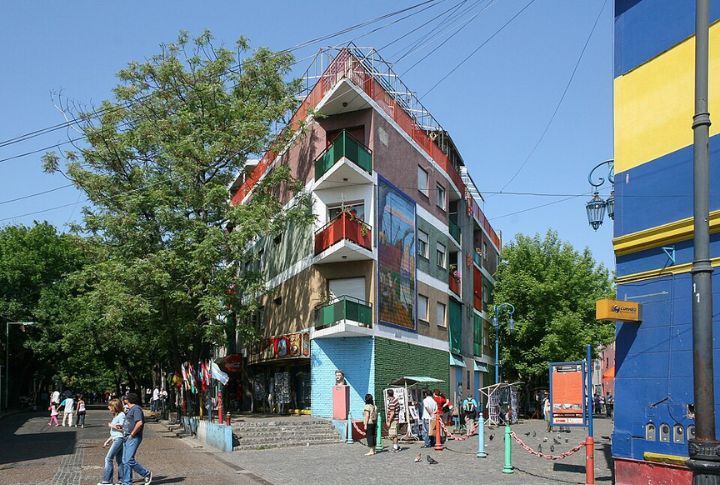
Despite ongoing inflation, Buenos Aires remains relatively affordable. However, the gap is closing. Currency fluctuations and rising rent are making it harder for digital nomads to rely on Argentina’s once unbeatable cost advantage.
