
A restaurant doesn’t need drama to influence a bill; small choices you barely notice can nudge it higher. Menus, placement, and pricing combine in quiet ways that steer decisions long before food arrives. Once you recognize these patterns, you gain the upper hand, so keep reading and sharpen your dining instincts.
Menu Anchoring With Overpriced Decoys
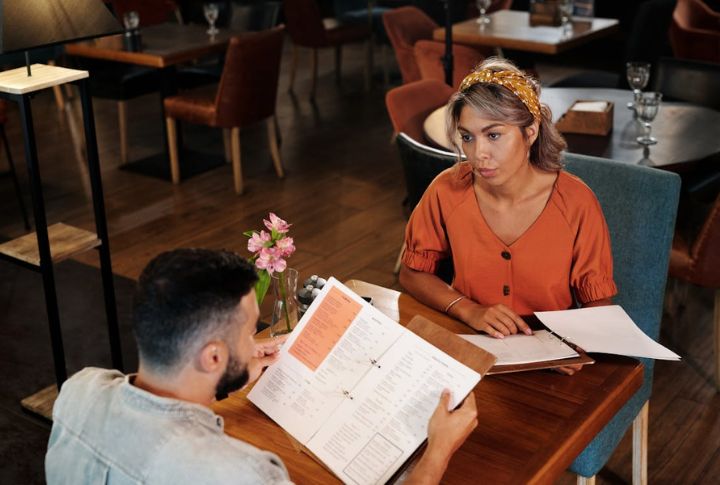
Imagine opening a menu and spotting a dish priced so high it almost feels like a joke. That shock is part of the plan. Once you see it, every mid-range item seems safer. Most diners drift there, and the pricey dish barely sells because its real purpose is shaping your judgment.
Confusing Pricing Structures
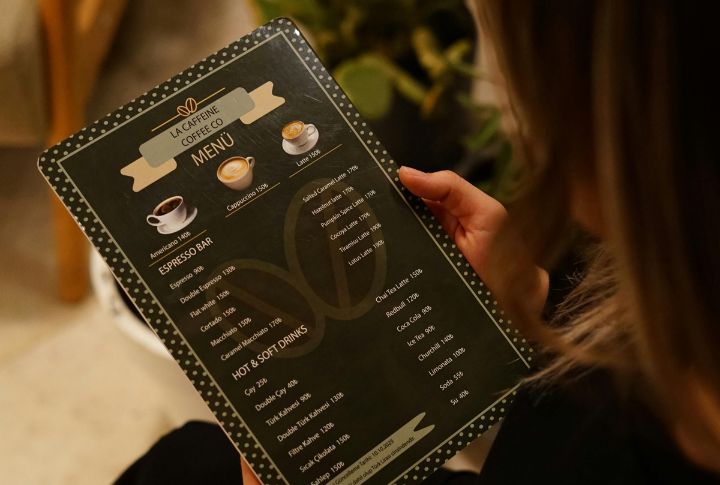
Some pricing systems keep diners unsure from the start. “Market price” removes the number entirely, and seasonal add-ons shift the final total without warning. The uncertainty discourages questions, giving the restaurant room to charge more than many diners expect.
Shrinking Portion Sizes Without Price Cuts
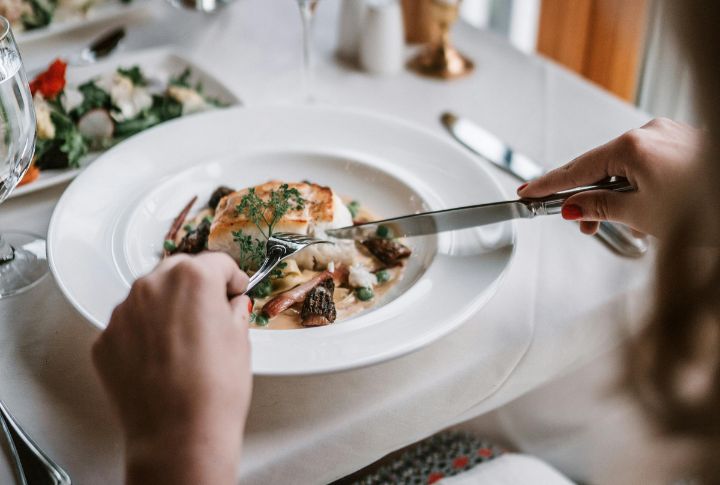
Well, this is another familiar trick. Some restaurants cut costs by reducing portions a little at a time, and people barely notice. The price never changes, so the shift stays hidden. And a smaller plate creates the impression of a full serving. When staff describe the presentation as health-focused, many guests accept the smaller amount without noticing the real goal.
Hidden Service Fees Disguised As Charges

A diner may feel confident about the total until a closer look reveals an unexpected line on the bill. Restaurants attach gentle, friendly names to extra fees, creating the sense of a goodwill charge. Guests rarely realize that the cost remains fixed and that the house pockets the entire amount.
Overpouring Cheap Ingredients In Cocktails
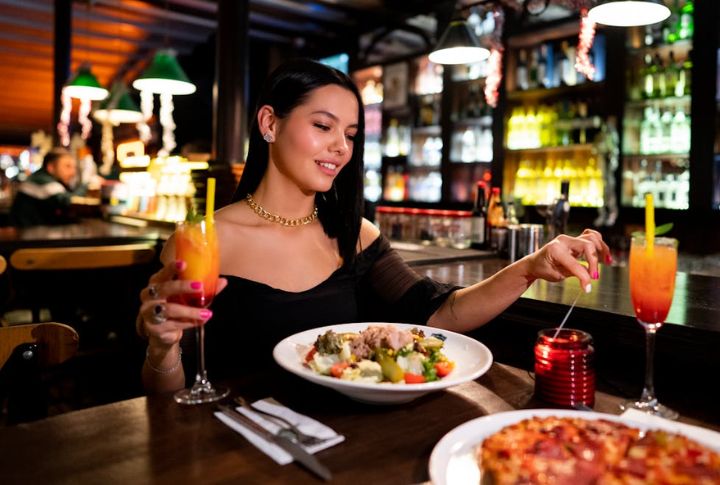
A cocktail can feel generous at first glance, which is precisely the point. But some bars stretch drinks by filling the glass with inexpensive mixers while charging full price for the liquor. A bright garnish shifts attention away from the weak ratio, and cheaper spirits sometimes stand in without mention.
Inflated Food Category Claims
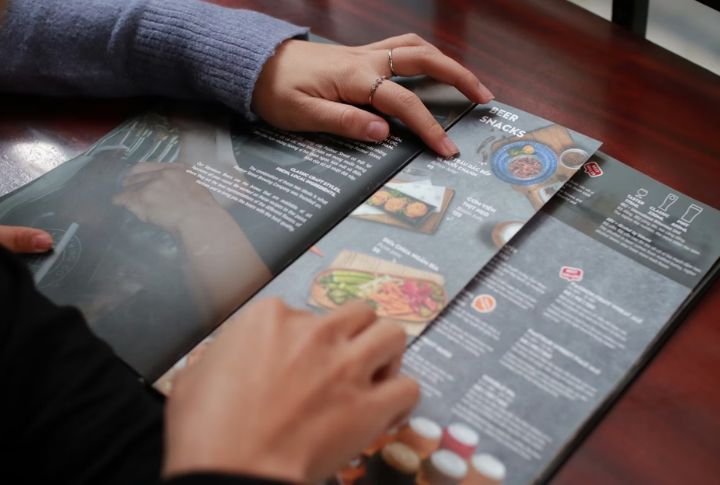
Some menus lean on feel-good language as a shortcut to trust. A dish gains an organic, local, signature, or premium tag, and its price rises accordingly. The words carry emotional weight, which makes ordinary ingredients feel special even when nothing changes behind the scenes.
Rebranding Leftovers As “Chef’s Specials”
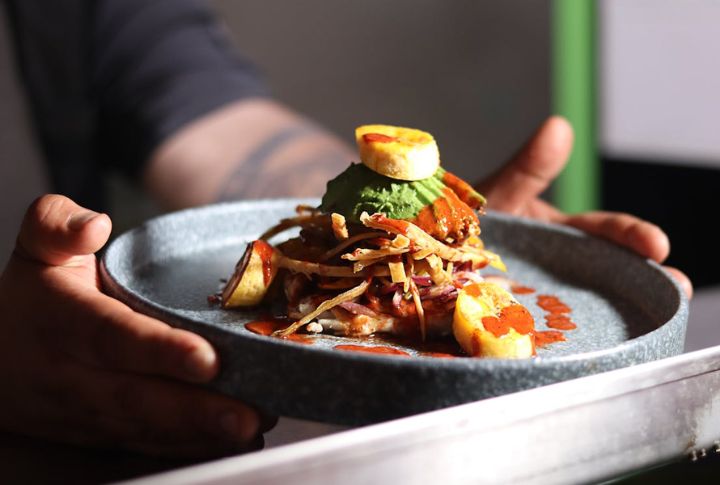
Specials often look spontaneous, which makes them attractive. Kitchens take yesterday’s untouched food, rename it with flair, and present it as a limited offering. The board changes according to leftover stock, and the upgraded title convinces many people they’re ordering something designed just for that day.
Menu Layout Tricks (Eye-Level Placement)
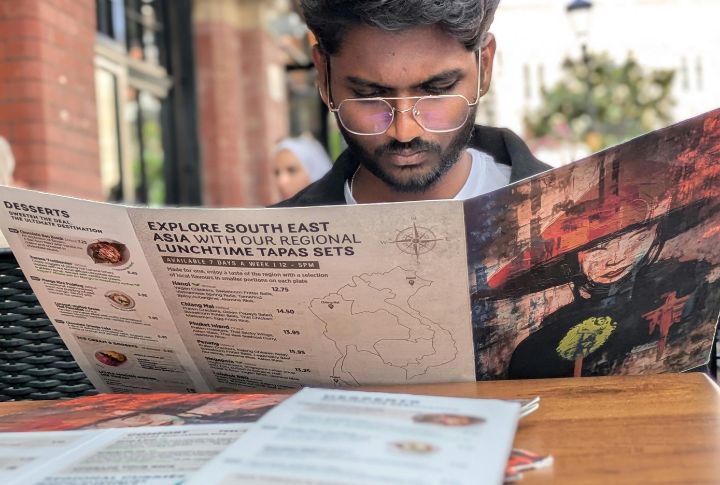
When a menu opens, the design decides where attention lands. High-profit dishes sit in those zones, framed with visual cues that pull the eye. Many people scan quickly, and the layout shapes choices before any careful comparison occurs.
Automatic Add-Ons (Bread, Water, Condiments)

Some extras appear on the table before anyone asks for them. Bread, water, or small condiments feel complimentary at first, yet many bills list them later. Even tap water receives a “filtered” label at times, turning basic items into easy additions to the total.
Dual Portion Pricing Illusion
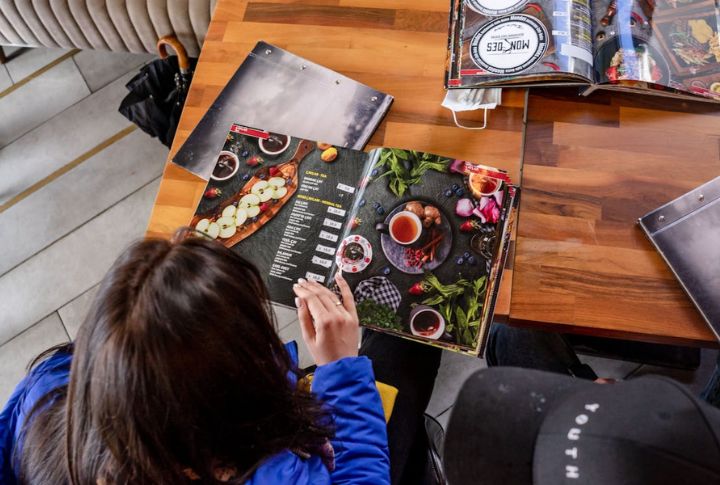
A menu may promise two sizes, but the difference can be barely noticeable. The larger option carries a much higher price, which creates the sense of an upgrade. Many diners choose it automatically, convinced they’re treating themselves while receiving only a slightly bigger plate.
