
The 20th century was filled with everyday experiences that now seem completely made up to younger generations. What was once normal now feels like fiction. These weren’t trends or gimmicks, just life as we knew it. Explore ten moments from the past that feel impossible today. Some you’ll remember clearly, others might catch you off guard. Let’s see how many you lived through.
Phone Booths On Every Corner
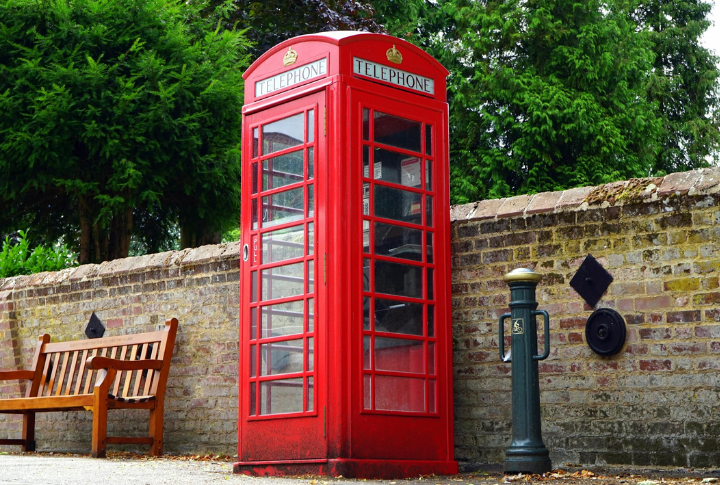
In 1999, more than 2 million payphones lined American sidewalks. The Bell System once operated most of them until its 1984 breakup. The booths were everywhere—useful and iconic enough for Superman to use one as a changing room. Today, spotting one outside a museum is increasingly rare.
Milk Delivered To Your Doorstep

Before supermarket runs became routine, milk arrived in glass bottles placed in insulated boxes at your front door. In 1963, nearly 30% of households still used this service. It vanished as grocery chains grew. What was once a daily ritual has faded into secondhand memories and family photo albums.
Airplane Smoking Sections
State Library and Archives of Florida/Wikimedia Commons
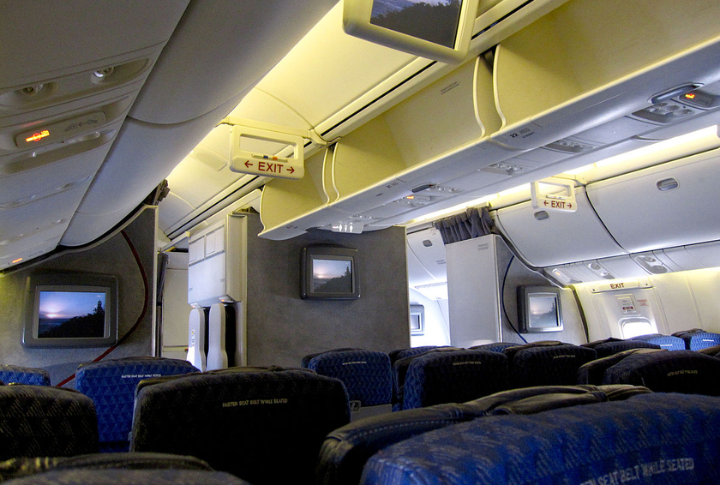
For decades, U.S. airlines designated smoking rows in the back of the plane. Armrests came with tiny built-in ashtrays, and the entire cabin often smelled like a lounge. The practice wasn’t fully banned until 2000. Today, the idea of smoke-filled cabins feels more surreal than the turbulence.
Roller Rinks As Social Hotspots
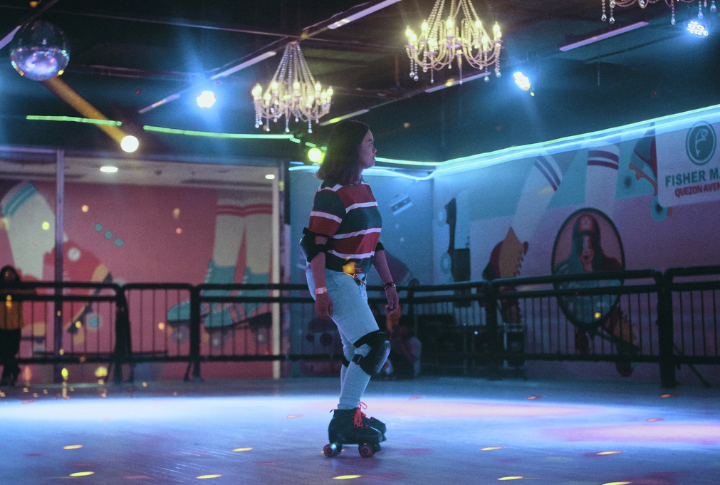
Disco lights, velvet benches, and weekend DJs made roller rinks the place to be during the ’70s and ’80s. Some schools even hosted prom nights on wheels. These spaces offered freedom and flair, where skating backward in rhythm was just as cool as scoring the best slow-dance song.
Paper Maps In The Glove Box

Trip planning once meant unfolding a paper map and a highlighter in hand. AAA’s TripTiks gave drivers detailed directions, often hand-marked and route-specific. Families squinted at exits while balancing maps on their laps. Mistakes weren’t recalculated—they became part of the story.
TV Programming Signed Off At Night
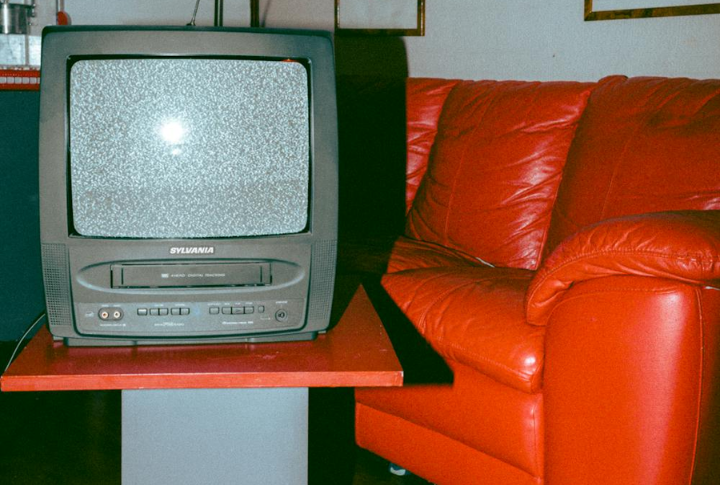
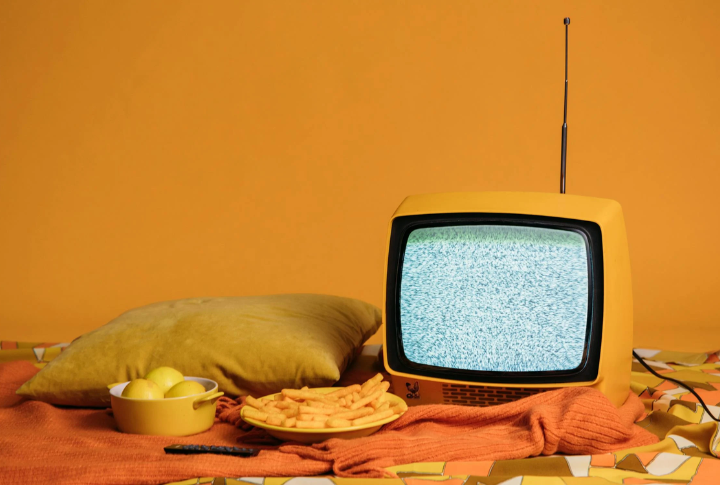
When the clock hit midnight, stations wrapped with the national anthem, a static screen, or a block of colored bars. After-hours television simply didn’t exist. Many viewers took the sign-off as their cue to sleep or to stare at static until sunrise reminded them the world was back on.
Encyclopedias That Took Up Shelves
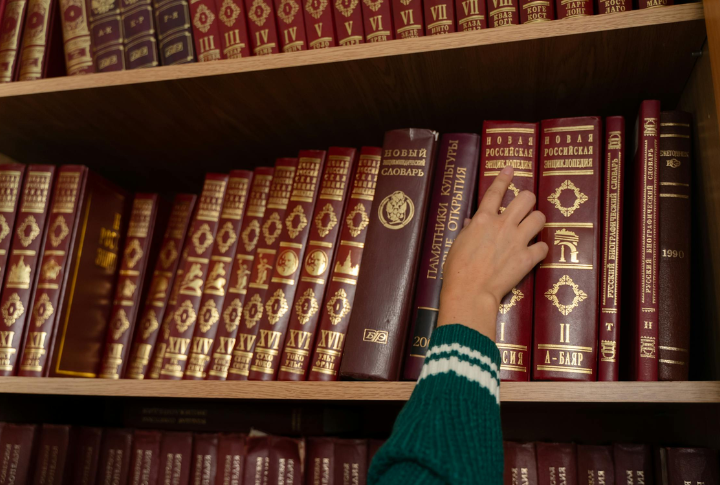
Door-to-door salesmen offered Encyclopedia Britannica volumes that could cost from $1,000 to $3,000, depending on the binding and level of luxury. Families proudly displayed them across the living room shelves. They were symbols of education and stability. Nothing was auto-updated, and there was no search bar.
Punch Cards For Office Computing
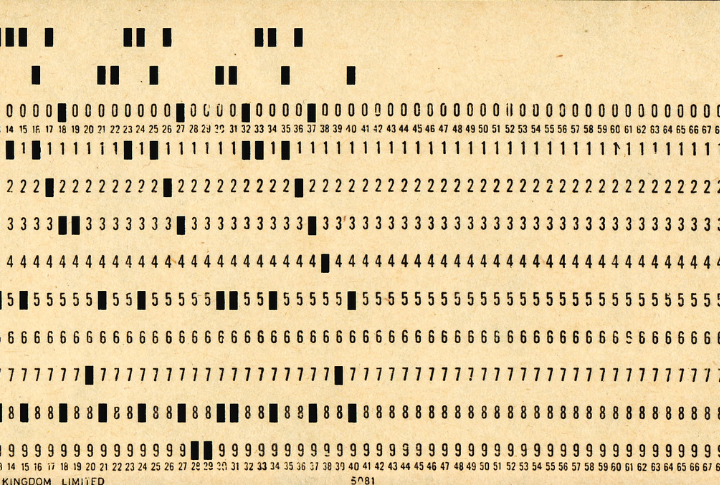
Each card represented a line of code or a dataset—drop them, and chaos followed. IBM’s 80-column punch cards powered early computers throughout the 1970s. Efficiency meant sorting, stacking, and precision. It was slow and inflexible and nothing like today’s frictionless interfaces.
Drive-In Theaters As Weekend Tradition
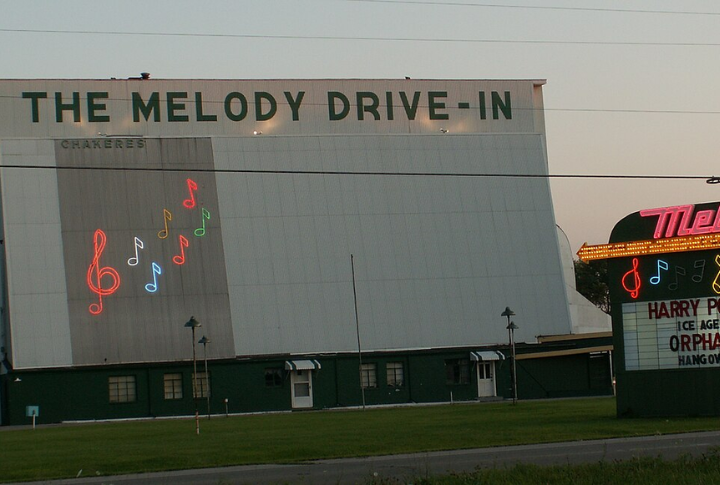
By 1958, the U.S. had more than 4,000 drive-in movie theaters. Families packed coolers and blankets and parked for double features under the stars. Audio blared through tiny speakers clipped to windows. The movie didn’t matter as much as the time spent together in the car.
Typewriters For Everyday Writing
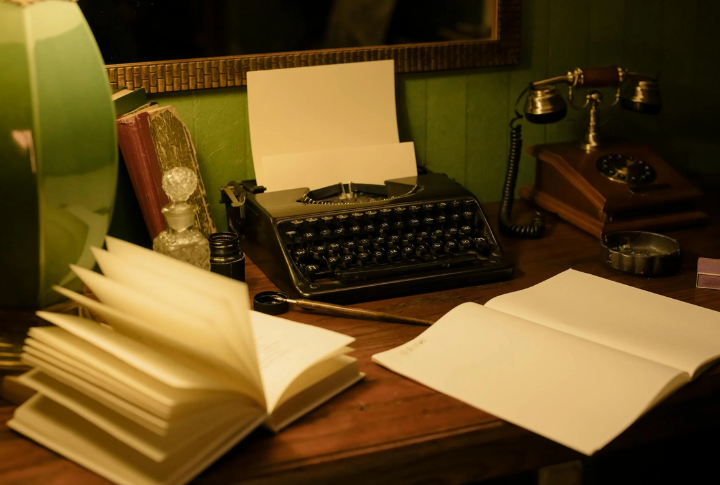
Typing used to mean commitment. Every mistake needed white-out or tape. Electric models came with their own hum, and manual ones delivered a satisfying snap. High school students took typing class seriously as it was job training. Backspacing wasn’t an option. Neither was a distraction.
