

Some older Americans are taking a hard pass on leaving their kids any inheritance. The reasons aren’t simple—they reflect security, planning, and personal choice. If you’ve been wondering why family wealth isn’t automatically passed down, the answers are revealing. Here’s why many boomers are holding tight to what they’ve earned.
They Expect Their Kids To Stand On Their Own
Because many boomers saw their own parents retire without enough money, they believe their kids should be able to support themselves rather than depend on an inheritance. That kind of belief now shapes every financial conversation. For these parents, inheritance held back simply reinforces a principle they consider important: standing confidently on your own feet.
They Want To Enjoy Their Retirement Lifestyle
It’s surprising to some that parents who spent years putting their kids first now choose not to leave an inheritance. But the choice comes from wanting a retirement where they can enjoy their freedom, not from any resentment. By that stage, many retirees feel they’ve given enough, so they prioritize themselves instead of old expectations.
They Feel Their Values Aren’t Respected
A single dismissed heirloom, such as a photo album or an old ring, can make Boomers feel their kids don’t value what matters to them. Those small moments start to add up over the years. Eventually, signals like these push some parents to feel there’s little reason to leave an inheritance at all.
They No Longer See Inheritance As A Must
In earlier generations, inheritance was an unspoken promise parents rarely questioned. Boomers grew up with that expectation, too. But today’s economy and longer lifespans have changed how they see it. Inheritance now feels optional, and many Boomers are simply choosing not to give one.
They’re Choosing Charitable Legacies Instead
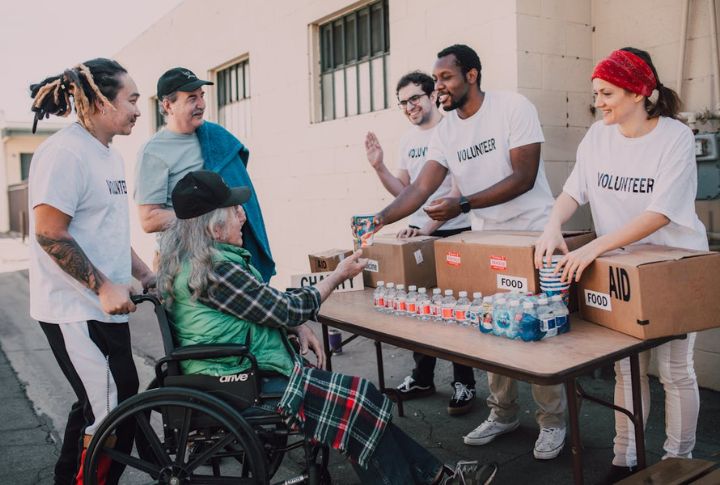
A growing number of boomers feel their wealth can create more impact outside the family. They direct savings toward charities, community programs, or causes they’ve supported for years. That choice reflects purpose rather than rejection, as they see long-term community change as a more powerful use of their remaining assets.
They Don’t Believe Parents Should Support Kids Forever
A common belief says parents should take care of their kids forever, but reality feels different to many boomers. They worry that sudden wealth could lead to careless spending for their children. Instead of risking that, they step back—believing strong character, not inherited money, creates a stable, resilient adult in the long run.
They’re Protecting Themselves From Medical Costs
What really matters to many boomers is avoiding a future in which unexpected medical bills wipe out their financial stability. The high stakes make them focus on long-term survival rather than family gifting. From this view, cutting inheritance isn’t cruel—it’s a practical way to protect their final decades.
They Feel That Bonds With Their Kids Aren’t Strong Anymore
Across the country, changing family dynamics mean fewer shared holidays, less communication, and weaker emotional bonds. In that setting, some boomers quietly adjust their estate plans. When connections fade or relationships strain, it feels unnecessary to leave money behind, thereby turning inheritance from an assumed right into a selective privilege.
They Don’t Want To Reward Poor Money Habits
People naturally protect what took effort to earn, and boomers see their savings this way. When adult children show reckless spending habits, parental instincts kick in. Rather than fund behaviors they consider harmful, some boomers cut off future financial support and believe firm boundaries lead to better outcomes.
They Worry About Outliving Their Savings
With almost half of retirees worrying they’ll outlive their money, many handle inheritance planning cautiously. This widespread anxiety affects daily financial choices. After factoring in inflation and rising care costs, money gets tight quickly, which makes inheritance one of the first things cut from long-term plans.
