

Best-selling author and financial coach Dave Ramsey has spent decades helping people take charge of their money. His strategies show how to protect your finances when economic uncertainty hits. And these tips aren’t about luck—they’re about practical moves anyone can follow. Let’s talk about what Ramsey recommends to keep your wallet steady during unpredictable times.
Assess Your Current Financial Snapshot

Start by reviewing your income, expenses, debts, and assets using a spreadsheet or budgeting app. This shows you exactly where you’re overspending or relying too heavily on credit. Once you spot these problem areas, you can reduce debt and build recession resilience.
Implement A Zero-Based Budget

Try zero-based budgeting, where every dollar gets assigned a purpose—bills and everything. So, this disciplined approach usually exposes needless spending you can eliminate. During tough economic times, that recaptured money helps you cover essentials without going into the red.
Build A Starter Emergency Fund of $1,000

Start by saving your first $1,000 as fast as you can. A small buffer covers unexpected car repairs or medical bills without reaching for credit cards. You’ll shift your thinking from borrowing to saving, and minor emergencies won’t wreck your bigger financial plans.
Eliminate Consumer Debt Via The Debt Snowball

Tackle the smallest debt first using the debt snowball method. Paying off that first balance gives you a quick win that keeps you motivated to keep going. As each debt disappears, you free up more cash to cover essentials or build savings before a recession hits.
Expand Your Full Emergency Fund to 3–6 Months of Expenses
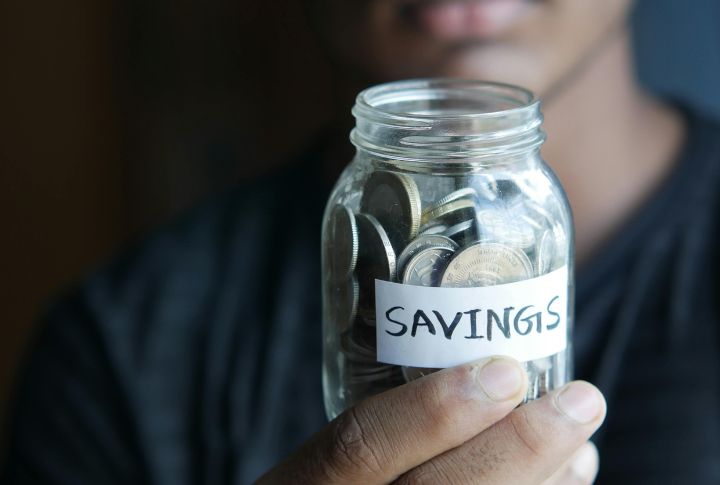
Once you’ve cleared your debt, save enough to cover three to six months of living expenses. If you lose your job or face a health crisis, you’ll have a runway to survive without missing mortgage payments. Keep it in a high-yield savings account separate from your everyday spending money.
Diversify And Secure Multiple Income Streams

Add side hustles or freelance work to supplement your main income. When your primary job becomes unstable, extra income sources keep money flowing in. Look for flexible gigs that require minimal upfront investment, so you’re building security while avoiding new debt.
Reevaluate And Strengthen Job Security

Update your skills and focus on industries that stay stable. Learning new abilities and building your professional network help you land jobs faster if layoffs come. Spot career weaknesses now so you can make strategic moves before economic pressure forces your hand.
Maintain Consistent Retirement Investments At 15% Of Income

Don’t stop your retirement contributions—stick with your regular amount no matter what’s happening economically. When markets dip, you’re buying more shares for the same money, which pays off later. Consistent investing through ups and downs has always produced better long-term results than stopping and starting.
Cut Non-Essential Spending Ruthlessly

Identify and eliminate luxuries and unused subscriptions now before you’re forced to later. Cutting discretionary spending frees up substantial cash you can redirect toward debt payoff or savings. Practicing frugality today builds habits that’ll keep you financially stable when economic pressure increases.
Optimize Insurance Coverage Without Overpaying

Check all your insurance coverage to find the right balance between protection and affordability. Look at offers from multiple insurers, so you are not overspending on policies that don’t need to be costing you that much. Proper coverage shields you from catastrophic expenses during downturns while freeing up cash for other priorities.
