
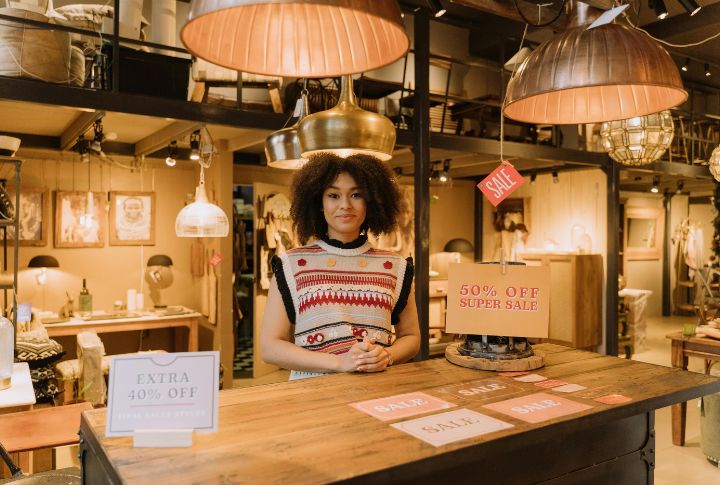
There’s something about Christmas sales that makes everyone feel like they’ve stumbled onto the bargain of the century. Spoiler: a lot of those “wow” moments are carefully crafted illusions. Retailers pull out their best mind games during the holidays, and even the sharpest shoppers get caught in the sparkle. If you want to enjoy the season without getting played, these are the tricks to keep an eye on.
Doorbuster Illusion Pricing
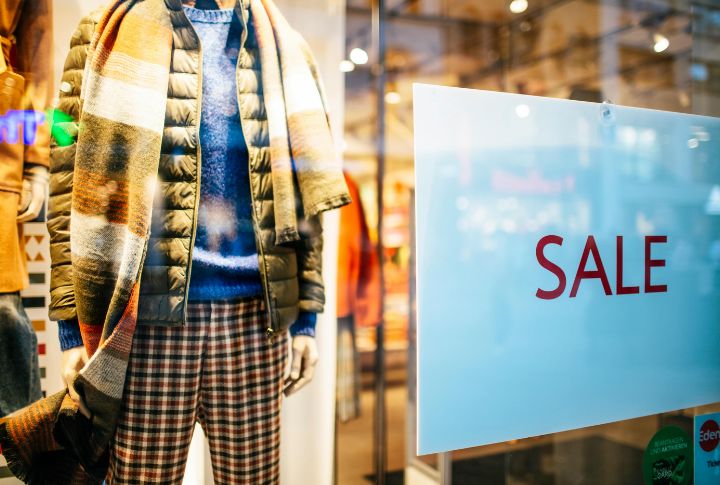
The moment holiday ads start flashing those giant “doorbuster” signs, the whole season feels electric. Stores hype a few ultra-discounted items just to pull people inside, and the shelves empty almost instantly. As shoppers drift further in, pricier versions quietly take center stage, turning the excitement into an unexpected spending adventure.
Holiday Bundle Trap
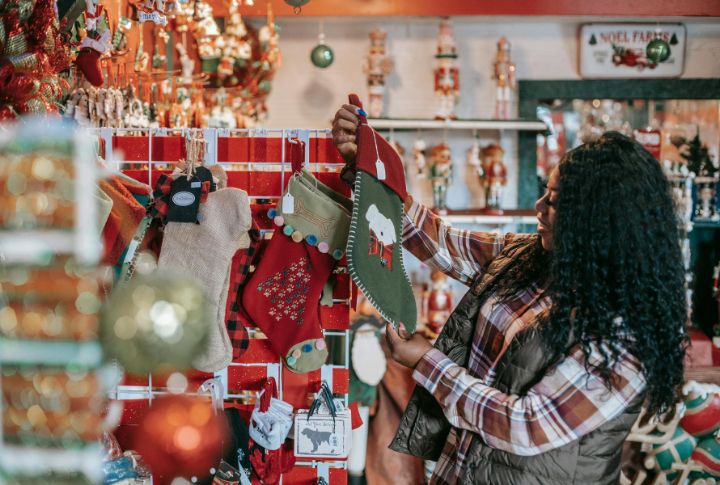
Some Christmas displays look like they came straight from a cozy movie scene, and that charm makes bundled deals feel irresistible. The twist appears when shoppers realize the bundle of an item that rarely gets used. Separate pieces also often cost less, yet the glow of a decorated aisle gently nudges shoppers toward the festive bundle.
Gift Card Kickback Schemes

A cheerful sign offering bonus gift cards feels like a little holiday cheer from the store itself. Shoppers walk away believing they scored something extra, even though the perks often come with expiration dates or conditions. Some people even wrap these bonus cards for others, never realizing how sneaky the incentive really was.
Countdown Clock Pressure
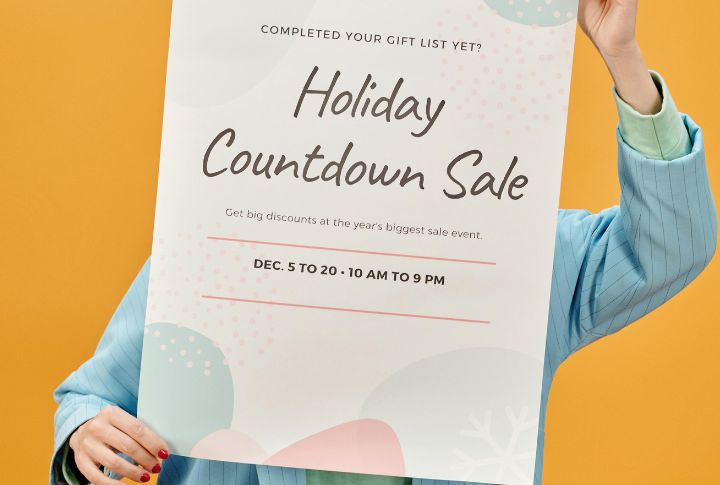
Watching a timer blink toward zero creates a rush that feels like a game, especially during Christmas sales. Online stores lean on this trick, and shoppers often speed through decisions while the clock ticks away. Once it resets, the illusion becomes obvious, yet the thrill keeps people hooked for another round.
Fake “Was/Now” Discounts
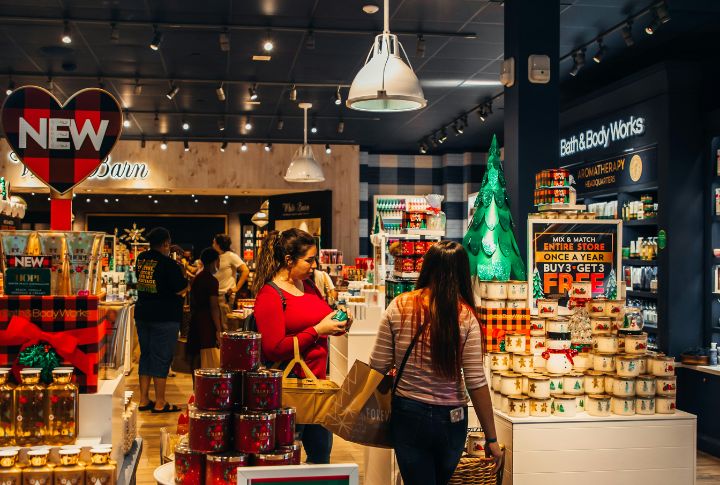
Holiday price tags love drama, especially when the “was” price towers above the “now” price. Stores quietly boost original tags before applying a markdown, and the savings look incredible at first glance. Shoppers celebrate imaginary bargains all season, unaware that the discount mostly lives in the label rather than the product.
Seasonal Scarcity Claims
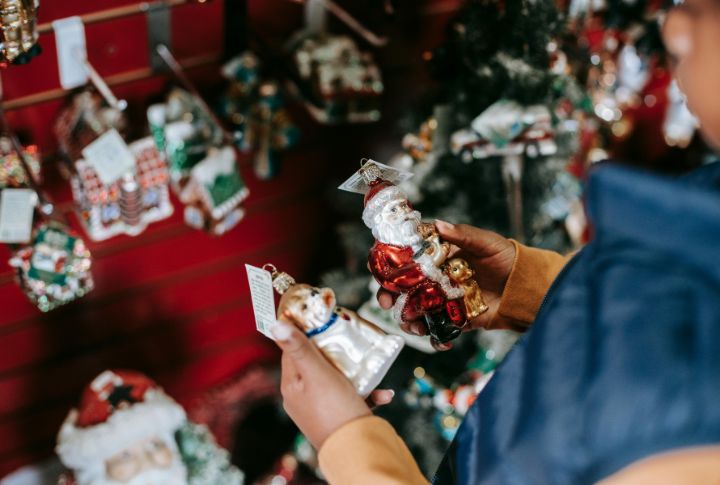
The phrase “limited edition” floats around every December to give ornaments and sweaters the shimmer of rarity. Retailers know the chase adds excitement, so they sprinkle the idea across displays. Plenty of stock usually sits backstage, yet the treasure-hunt feeling sparks holiday energy that pulls everyone closer to the shelves.
Exclusive Ornament Upsell

Right near the checkout, the tiny stand of “exclusive” ornaments always catches attention. Stores frame them as once-a-year collectibles, even though they’re produced by the thousands. Families often turn these upsells into playful traditions anyway, each person hunting for the shiny piece that claims to be rare.
Christmas Flash Sale Fragmentation
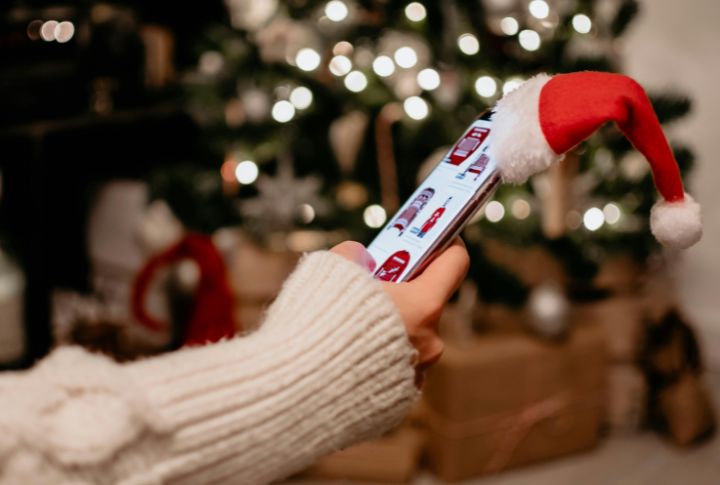
Holiday flash sales keep shoppers glued to their screens because each hour promises a fresh surprise. Retailers stretch these events across long windows, and the suspense builds as people set alarms and refresh tabs. The pattern leads to more impulse choices and a playful feeling that makes the hunt addictive.
Holiday Loyalty Point Inflation

Points stack rapidly during Christmas shopping, and it feels as if every purchase unlocks some extra sparkle. Stores encourage this festive enthusiasm, even though the points fade or shrink once January arrives. People save them with pride and create small collections that feel as cherished as stocking candy.
Festive Freebie Bait
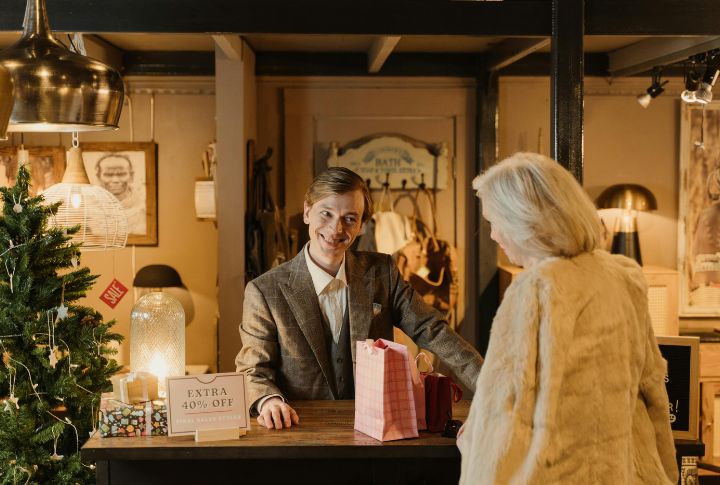
The promise of a free Christmas gift sparkles like a tiny reward hidden in a purchase. Stores use low-value items that feel fun in the moment, especially for kids who love surprises. Adults enjoy the gesture too, even though the freebie mostly acts as a cheerful lure toward spending a little more.
